
Original: Bipasha Dey and Ananya Palyekar on Reuters
I woke up yesterday to seven Slack messages from colleagues, all variations of: "Did you see the Anthropic thing?"
Yeah. I saw the Anthropic thing.
What Happened (The 30-Second Version)
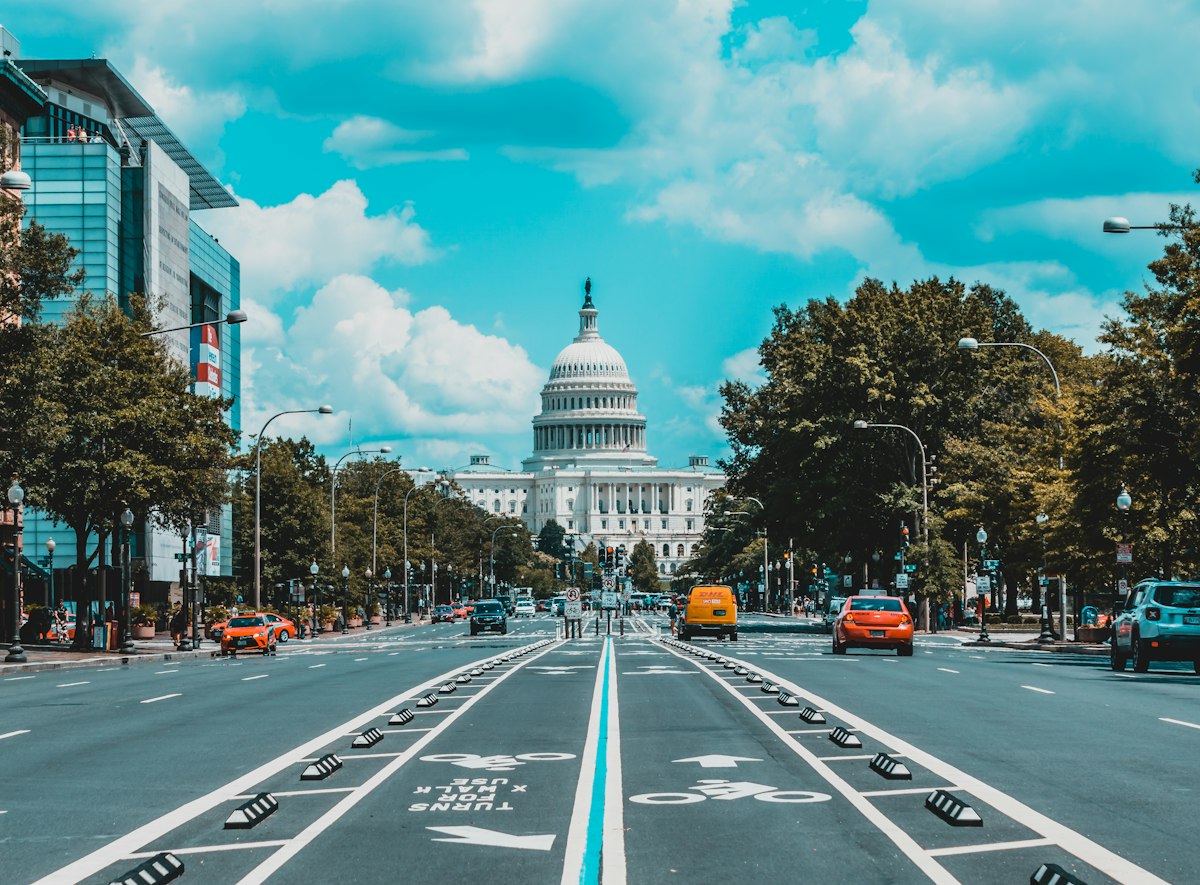
The Trump administration drew up strict rules for civilian AI contracts requiring companies to allow "any lawful" use of their models. Anthropic — the company behind Claude — pushed back on certain military and surveillance applications, citing their safety commitments.
The Pentagon's response? Designate Anthropic a "supply-chain risk."
The GSA then terminated Anthropic's OneGov deal, cutting Claude off from the Executive, Legislative, and Judicial branches. Overnight. No transition period.
Let that sink in: federal agencies that built AI workflows on Claude had their AI vendor disappear with zero notice.
Why This Is Your Problem
Forget the politics. I don't care whether you think Anthropic is right or the government is right. That's a fascinating debate for Twitter.
What I care about — and what you should care about — is this: you just watched the most vivid real-world demonstration of AI vendor concentration risk in history.

If Your Team Uses Claude For Anything
How many of your automated workflows — lead scoring, proposal generation, customer support, contract review — depend on a single AI provider?
If that provider's API went dark tomorrow, what's your fallback?
I've asked this question to about 30 enterprise teams over the past year. You know how many had a concrete answer? Four. The rest said some version of "we'd figure it out" or "that probably won't happen."
It just happened.
For CFOs: The Math on Insurance
The cost of running two AI providers:
- GPT-5.4: $2.50/M tokens input
- Claude: $5.00/M tokens input
- Cost of redundancy: ~30-50% premium on your AI budget
The cost of a single day of downtime on your AI-powered workflows when your team has spent months building processes around a tool that suddenly isn't available:
- Way more than 30-50%.
Build the abstraction layer. It's the cheapest insurance you'll buy this year.
For Legal and Compliance Teams
The new GSA draft mandates that AI companies must grant irrevocable licenses for all legal purposes and must not "encode partisan or ideological judgments" into outputs.
Read that again. Irrevocable licenses for all legal purposes.
If you're in a regulated industry, expect similar requirements to flow downstream to commercial contracts within 12-18 months. Your legal team should be reviewing your AI vendor contracts this week — not next quarter.
What You Should Actually Do
I'm going to be blunt because I think this is important:
1. Audit your AI dependencies. This week. Not next sprint. This week. List every workflow that calls an AI API. Note which provider. Note what happens if that API returns a 403 tomorrow.
2. Build (or plan) a model routing layer. Your application code should call an internal abstraction, not api.anthropic.com directly. I wrote about this architecture in the GPT-5.4 vs Claude comparison — the companies that built this way are sleeping fine tonight.
3. Test your fallback. Having a "backup model" in your architecture diagram isn't the same as having tested it. Switch your staging environment to GPT-5.4 for a week. Find the prompt differences. Fix them before it's an emergency.
4. Review your vendor contracts. What are your termination provisions? What happens to your data? What's the notice period? If your AI vendor contract doesn't address these questions, it's not a contract — it's a hope.
The uncomfortable truth: Any organization running AI in production should be able to swap foundation models without rebuilding the application layer. If your agent framework is hardcoded to one provider's API, you don't have a technical debt problem. You have a business continuity problem.

🚨 Your Action Items (This Week — Not Next Quarter):
- Audit every AI workflow for single-vendor dependency
- Test your fallback — can you swap Claude → GPT in under 24 hours?
- Review your AI vendor contracts for termination clauses
- Budget for a routing layer ($0 if you use open-source tools)
- Brief your leadership — this isn't theoretical anymore
The Bigger Picture
This isn't just about Anthropic. This is about the maturation of AI as enterprise infrastructure.
We went through the same thing with cloud computing a decade ago. Early adopters hardcoded to one cloud provider. Then they got hit with price increases, outages, and terms changes. The smart ones built multi-cloud. The others learned the hard way.
AI is following the exact same pattern, just faster. The vendor lock-in conversation that took 5 years in cloud is happening in 5 months in AI.
The companies that treat model selection as infrastructure — abstracted behind a routing layer — will navigate this fine. The ones that treat it as a marriage are going to keep having bad mornings like yesterday.
Has your team done an AI vendor risk assessment? Genuinely curious — I'm compiling data on how many organizations have multi-model fallback plans in place. Reply and let me know where you stand.
Want to calculate your own AI ROI? Try our AI ROI Calculator — takes 60 seconds and shows projected savings, payback period, and 3-year ROI.