Dell AI Factory: 2.6x ROI Across 4,000 Deployments

Dell AI Factory deployment data from 4,000 customers shows 2.6x first-year ROI, 12x faster data indexing, and 19x faster time-to-first-token. Enterprise leaders must evaluate build vs buy infrastructure decisions based on actual production benchmarks.

By Rajesh Beri·March 22, 2026·7 min read
Share:

THE DAILY BRIEF

DellNVIDIAAI InfrastructureEnterprise AIROIBusiness LeadersTechnical LeadersVendor Selection

Dell AI Factory: 2.6x ROI Across 4,000 Deployments

Dell AI Factory deployment data from 4,000 customers shows 2.6x first-year ROI, 12x faster data indexing, and 19x faster time-to-first-token. Enterprise leaders must evaluate build vs buy infrastructure decisions based on actual production benchmarks.

By Rajesh Beri·March 22, 2026·7 min read

On March 16, 2026, Dell announced 4,000 enterprise customers deploying the Dell AI Factory with NVIDIA. Early adopters report up to 2.6x ROI within the first year.

The data matters because it comes from production deployments, not pilot projects. For enterprise leaders evaluating AI infrastructure, this is the first large-scale dataset showing what works when AI moves beyond proof-of-concept.

What Dell AI Factory Actually Delivered

Dell AI Factory is an end-to-end infrastructure stack for private AI deployment. It combines Dell servers, NVIDIA GPUs, storage systems, and data platforms into a turnkey package for enterprises that want to run AI on their own infrastructure instead of renting cloud capacity.

The March announcement revealed performance data from real deployments. 12x faster data indexing compared to baseline systems. 19x faster time-to-first-token for inference workloads. These numbers come from customer benchmarks, not lab tests.

Dell AI Factory Performance (Customer Data)

  • First-year ROI: Up to 2.6x
  • Data indexing: 12x faster vs. baseline
  • Time-to-first-token: 19x faster
  • Customer deployments: 4,000+ enterprises
  • Production focus: Pilot-to-production workflows

The 2.6x ROI comes from operational efficiency gains. Faster inference means fewer GPU hours per workload. Faster data indexing reduces time spent preparing training datasets. Combined, these cut the total cost of running AI at scale.

Why 4,000 Deployments Changes the Infrastructure Calculation

Before this data, enterprise AI infrastructure decisions relied on vendor promises and analyst forecasts. Now there's production evidence from thousands of deployments across industries.

The dataset reveals two patterns. First, early ROI is achievable if data infrastructure is ready. Enterprises that already invested in storage, networking, and data platforms see faster time-to-value. Those starting from zero infrastructure face longer ramp times.

Second, hybrid deployment models dominate. Few enterprises go all-cloud or all-on-premise. Most mix public cloud for experimentation with private infrastructure for production workloads. Dell's data shows this split: customers use AI Factory for regulated data and sensitive workloads, then route lower-risk tasks to cloud APIs.

For infrastructure leaders, this shifts the question from "cloud or private?" to "which workloads justify owning infrastructure?"

Photo by Brett Sayles on Pexels

Build vs Buy: What the TCO Model Actually Shows

Dell published a four-year total cost of ownership model comparing AI Factory to cloud-only deployments. The break-even point depends on workload volume and data residency requirements.

For enterprises running AI workloads continuously, owning infrastructure becomes cheaper after 18-24 months. The upfront capital cost is higher, but operational costs drop once hardware is deployed. Cloud pricing scales linearly with usage, so high-volume workloads favor private infrastructure.

For enterprises with spiky or experimental workloads, cloud stays cheaper. Paying per API call avoids idle hardware costs. The crossover happens when utilization exceeds 40-50% of capacity on a sustained basis.

Data residency adds another variable. Regulated industries like healthcare and finance face compliance costs for moving data to public cloud. If data can't leave the data center, cloud AI becomes impractical regardless of cost.

The decision framework comes down to three factors: workload volume (continuous vs. intermittent), data sensitivity (regulated vs. open), and existing infrastructure (greenfield vs. brownfield). Enterprises with high volume, regulated data, and existing data centers should evaluate private infrastructure. Those with low volume, flexible data policies, or no data center footprint should stay on cloud.

What 12x Faster Indexing Means for Enterprise Data Teams

The 12x data indexing improvement matters more than it sounds. AI training requires clean, labeled, indexed data. In most enterprises, data preparation takes longer than model training. Speeding up indexing directly shortens time-to-production.

Dell AI Factory includes Lightning File System, a parallel storage architecture optimized for AI workloads. Traditional file systems bottleneck on metadata operations when handling millions of small files. Lightning FS distributes metadata across nodes, eliminating the bottleneck.

For data engineering teams, this changes workflow design. Instead of batching data prep overnight, teams can run indexing interactively. Faster feedback loops mean more iteration cycles, which improves model quality.

The 19x time-to-first-token improvement has similar implications for inference workloads. In production AI applications, latency determines user experience. A chatbot that takes 10 seconds to respond feels broken. Reducing time-to-first-token from 10 seconds to 0.5 seconds makes AI usable in real-time applications.

Vendor Lock-In Risk: What Dell Doesn't Say

Dell AI Factory is a vertically integrated stack. Dell servers, Dell storage, NVIDIA GPUs, Dell software. Once deployed, migrating to a different vendor means replacing the entire infrastructure.

This creates strategic risk. If Dell raises prices, changes support terms, or discontinues products, customers face expensive rip-and-replace decisions. The TCO model assumes stable pricing over four years, but vendor pricing strategies shift with market conditions.

For procurement and finance leaders, this implies hedging strategies. Multi-vendor architectures cost more upfront but reduce dependency risk. Standard interfaces like Kubernetes and open APIs make components swappable without full rewrites.

The alternative is negotiating volume commitments with Dell in exchange for price guarantees. Large enterprises can lock in pricing for 3-5 years if they commit to deployment targets. Smaller enterprises lack this leverage and absorb more price risk.

Data Readiness as the Real Bottleneck

Dell's ROI numbers assume data is ready for AI. In practice, most enterprises spend 60-80% of AI project time on data cleanup, labeling, and governance. Infrastructure performance doesn't matter if data pipelines are broken.

The 4,000 deployments reveal a pattern: enterprises with mature data platforms see ROI faster. Those building data infrastructure in parallel with AI infrastructure take 2-3x longer to reach production.

For enterprise leaders, this means auditing data readiness before buying AI infrastructure. Can data teams access production data? Is data labeled and documented? Are privacy and compliance controls in place? If not, AI infrastructure sits idle while data teams catch up.

Dell offers data platform services to fill gaps, but this adds cost and complexity. Enterprises should budget for data preparation at 2-3x the cost of infrastructure itself.

What to Do This Week

Evaluate current AI workload volume and growth projections. If running models continuously or expecting sustained high utilization, calculate break-even points for owned infrastructure vs. cloud APIs using Dell's TCO model as a baseline.

Audit data readiness across teams. Identify gaps in data access, labeling, governance, and compliance. Budget data platform investments separately from AI infrastructure—data prep costs typically exceed hardware costs by 2-3x.

Review vendor dependency risk. If considering vertically integrated stacks like Dell AI Factory, negotiate multi-year pricing guarantees or architect hybrid systems with swappable components to reduce lock-in exposure.

For regulated industries: calculate compliance costs of cloud AI vs. private deployment. If data residency requirements make cloud impractical, private infrastructure becomes the default regardless of TCO.

The Dell data confirms what pilot projects hinted at: enterprise AI ROI is achievable, but only when infrastructure, data, and workloads align. The question for every enterprise leader: does your organization have all three?


Want to calculate your own AI ROI? Try our AI ROI Calculator — takes 60 seconds and shows projected savings, payback period, and 3-year ROI.

Related: Google TurboQuant Cuts AI Memory 6x With Zero Accuracy Loss and 8x Speedup

Continue Reading

THE DAILY BRIEF

Enterprise AI insights for technology and business leaders, twice weekly.

thedailybrief.com

Subscribe at thedailybrief.com/subscribe for weekly AI insights delivered to your inbox.

LinkedIn: linkedin.com/in/rberi  |  X: x.com/rajeshberi

© 2026 Rajesh Beri. All rights reserved.

Dell AI Factory: 2.6x ROI Across 4,000 Deployments

Photo by Slejven Djurakovic on Pexels

On March 16, 2026, Dell announced 4,000 enterprise customers deploying the Dell AI Factory with NVIDIA. Early adopters report up to 2.6x ROI within the first year.

The data matters because it comes from production deployments, not pilot projects. For enterprise leaders evaluating AI infrastructure, this is the first large-scale dataset showing what works when AI moves beyond proof-of-concept.

What Dell AI Factory Actually Delivered

Dell AI Factory is an end-to-end infrastructure stack for private AI deployment. It combines Dell servers, NVIDIA GPUs, storage systems, and data platforms into a turnkey package for enterprises that want to run AI on their own infrastructure instead of renting cloud capacity.

The March announcement revealed performance data from real deployments. 12x faster data indexing compared to baseline systems. 19x faster time-to-first-token for inference workloads. These numbers come from customer benchmarks, not lab tests.

Dell AI Factory Performance (Customer Data)

  • First-year ROI: Up to 2.6x
  • Data indexing: 12x faster vs. baseline
  • Time-to-first-token: 19x faster
  • Customer deployments: 4,000+ enterprises
  • Production focus: Pilot-to-production workflows

The 2.6x ROI comes from operational efficiency gains. Faster inference means fewer GPU hours per workload. Faster data indexing reduces time spent preparing training datasets. Combined, these cut the total cost of running AI at scale.

Why 4,000 Deployments Changes the Infrastructure Calculation

Before this data, enterprise AI infrastructure decisions relied on vendor promises and analyst forecasts. Now there's production evidence from thousands of deployments across industries.

The dataset reveals two patterns. First, early ROI is achievable if data infrastructure is ready. Enterprises that already invested in storage, networking, and data platforms see faster time-to-value. Those starting from zero infrastructure face longer ramp times.

Second, hybrid deployment models dominate. Few enterprises go all-cloud or all-on-premise. Most mix public cloud for experimentation with private infrastructure for production workloads. Dell's data shows this split: customers use AI Factory for regulated data and sensitive workloads, then route lower-risk tasks to cloud APIs.

For infrastructure leaders, this shifts the question from "cloud or private?" to "which workloads justify owning infrastructure?"

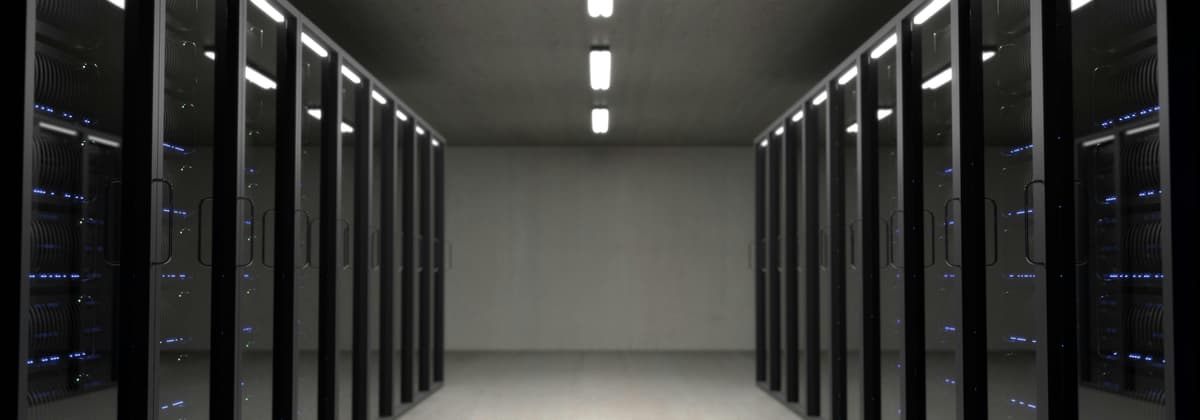
Data center infrastructure

Photo by Brett Sayles on Pexels

Build vs Buy: What the TCO Model Actually Shows

Dell published a four-year total cost of ownership model comparing AI Factory to cloud-only deployments. The break-even point depends on workload volume and data residency requirements.

For enterprises running AI workloads continuously, owning infrastructure becomes cheaper after 18-24 months. The upfront capital cost is higher, but operational costs drop once hardware is deployed. Cloud pricing scales linearly with usage, so high-volume workloads favor private infrastructure.

For enterprises with spiky or experimental workloads, cloud stays cheaper. Paying per API call avoids idle hardware costs. The crossover happens when utilization exceeds 40-50% of capacity on a sustained basis.

Data residency adds another variable. Regulated industries like healthcare and finance face compliance costs for moving data to public cloud. If data can't leave the data center, cloud AI becomes impractical regardless of cost.

The decision framework comes down to three factors: workload volume (continuous vs. intermittent), data sensitivity (regulated vs. open), and existing infrastructure (greenfield vs. brownfield). Enterprises with high volume, regulated data, and existing data centers should evaluate private infrastructure. Those with low volume, flexible data policies, or no data center footprint should stay on cloud.

What 12x Faster Indexing Means for Enterprise Data Teams

The 12x data indexing improvement matters more than it sounds. AI training requires clean, labeled, indexed data. In most enterprises, data preparation takes longer than model training. Speeding up indexing directly shortens time-to-production.

Dell AI Factory includes Lightning File System, a parallel storage architecture optimized for AI workloads. Traditional file systems bottleneck on metadata operations when handling millions of small files. Lightning FS distributes metadata across nodes, eliminating the bottleneck.

For data engineering teams, this changes workflow design. Instead of batching data prep overnight, teams can run indexing interactively. Faster feedback loops mean more iteration cycles, which improves model quality.

The 19x time-to-first-token improvement has similar implications for inference workloads. In production AI applications, latency determines user experience. A chatbot that takes 10 seconds to respond feels broken. Reducing time-to-first-token from 10 seconds to 0.5 seconds makes AI usable in real-time applications.

Vendor Lock-In Risk: What Dell Doesn't Say

Dell AI Factory is a vertically integrated stack. Dell servers, Dell storage, NVIDIA GPUs, Dell software. Once deployed, migrating to a different vendor means replacing the entire infrastructure.

This creates strategic risk. If Dell raises prices, changes support terms, or discontinues products, customers face expensive rip-and-replace decisions. The TCO model assumes stable pricing over four years, but vendor pricing strategies shift with market conditions.

For procurement and finance leaders, this implies hedging strategies. Multi-vendor architectures cost more upfront but reduce dependency risk. Standard interfaces like Kubernetes and open APIs make components swappable without full rewrites.

The alternative is negotiating volume commitments with Dell in exchange for price guarantees. Large enterprises can lock in pricing for 3-5 years if they commit to deployment targets. Smaller enterprises lack this leverage and absorb more price risk.

Data Readiness as the Real Bottleneck

Dell's ROI numbers assume data is ready for AI. In practice, most enterprises spend 60-80% of AI project time on data cleanup, labeling, and governance. Infrastructure performance doesn't matter if data pipelines are broken.

The 4,000 deployments reveal a pattern: enterprises with mature data platforms see ROI faster. Those building data infrastructure in parallel with AI infrastructure take 2-3x longer to reach production.

For enterprise leaders, this means auditing data readiness before buying AI infrastructure. Can data teams access production data? Is data labeled and documented? Are privacy and compliance controls in place? If not, AI infrastructure sits idle while data teams catch up.

Dell offers data platform services to fill gaps, but this adds cost and complexity. Enterprises should budget for data preparation at 2-3x the cost of infrastructure itself.

What to Do This Week

Evaluate current AI workload volume and growth projections. If running models continuously or expecting sustained high utilization, calculate break-even points for owned infrastructure vs. cloud APIs using Dell's TCO model as a baseline.

Audit data readiness across teams. Identify gaps in data access, labeling, governance, and compliance. Budget data platform investments separately from AI infrastructure—data prep costs typically exceed hardware costs by 2-3x.

Review vendor dependency risk. If considering vertically integrated stacks like Dell AI Factory, negotiate multi-year pricing guarantees or architect hybrid systems with swappable components to reduce lock-in exposure.

For regulated industries: calculate compliance costs of cloud AI vs. private deployment. If data residency requirements make cloud impractical, private infrastructure becomes the default regardless of TCO.

The Dell data confirms what pilot projects hinted at: enterprise AI ROI is achievable, but only when infrastructure, data, and workloads align. The question for every enterprise leader: does your organization have all three?


Want to calculate your own AI ROI? Try our AI ROI Calculator — takes 60 seconds and shows projected savings, payback period, and 3-year ROI.

Related: Google TurboQuant Cuts AI Memory 6x With Zero Accuracy Loss and 8x Speedup

Continue Reading

Share:

THE DAILY BRIEF

DellNVIDIAAI InfrastructureEnterprise AIROIBusiness LeadersTechnical LeadersVendor Selection

Dell AI Factory: 2.6x ROI Across 4,000 Deployments

Dell AI Factory deployment data from 4,000 customers shows 2.6x first-year ROI, 12x faster data indexing, and 19x faster time-to-first-token. Enterprise leaders must evaluate build vs buy infrastructure decisions based on actual production benchmarks.

By Rajesh Beri·March 22, 2026·7 min read

On March 16, 2026, Dell announced 4,000 enterprise customers deploying the Dell AI Factory with NVIDIA. Early adopters report up to 2.6x ROI within the first year.

The data matters because it comes from production deployments, not pilot projects. For enterprise leaders evaluating AI infrastructure, this is the first large-scale dataset showing what works when AI moves beyond proof-of-concept.

What Dell AI Factory Actually Delivered

Dell AI Factory is an end-to-end infrastructure stack for private AI deployment. It combines Dell servers, NVIDIA GPUs, storage systems, and data platforms into a turnkey package for enterprises that want to run AI on their own infrastructure instead of renting cloud capacity.

The March announcement revealed performance data from real deployments. 12x faster data indexing compared to baseline systems. 19x faster time-to-first-token for inference workloads. These numbers come from customer benchmarks, not lab tests.

Dell AI Factory Performance (Customer Data)

  • First-year ROI: Up to 2.6x
  • Data indexing: 12x faster vs. baseline
  • Time-to-first-token: 19x faster
  • Customer deployments: 4,000+ enterprises
  • Production focus: Pilot-to-production workflows

The 2.6x ROI comes from operational efficiency gains. Faster inference means fewer GPU hours per workload. Faster data indexing reduces time spent preparing training datasets. Combined, these cut the total cost of running AI at scale.

Why 4,000 Deployments Changes the Infrastructure Calculation

Before this data, enterprise AI infrastructure decisions relied on vendor promises and analyst forecasts. Now there's production evidence from thousands of deployments across industries.

The dataset reveals two patterns. First, early ROI is achievable if data infrastructure is ready. Enterprises that already invested in storage, networking, and data platforms see faster time-to-value. Those starting from zero infrastructure face longer ramp times.

Second, hybrid deployment models dominate. Few enterprises go all-cloud or all-on-premise. Most mix public cloud for experimentation with private infrastructure for production workloads. Dell's data shows this split: customers use AI Factory for regulated data and sensitive workloads, then route lower-risk tasks to cloud APIs.

For infrastructure leaders, this shifts the question from "cloud or private?" to "which workloads justify owning infrastructure?"

Photo by Brett Sayles on Pexels

Build vs Buy: What the TCO Model Actually Shows

Dell published a four-year total cost of ownership model comparing AI Factory to cloud-only deployments. The break-even point depends on workload volume and data residency requirements.

For enterprises running AI workloads continuously, owning infrastructure becomes cheaper after 18-24 months. The upfront capital cost is higher, but operational costs drop once hardware is deployed. Cloud pricing scales linearly with usage, so high-volume workloads favor private infrastructure.

For enterprises with spiky or experimental workloads, cloud stays cheaper. Paying per API call avoids idle hardware costs. The crossover happens when utilization exceeds 40-50% of capacity on a sustained basis.

Data residency adds another variable. Regulated industries like healthcare and finance face compliance costs for moving data to public cloud. If data can't leave the data center, cloud AI becomes impractical regardless of cost.

The decision framework comes down to three factors: workload volume (continuous vs. intermittent), data sensitivity (regulated vs. open), and existing infrastructure (greenfield vs. brownfield). Enterprises with high volume, regulated data, and existing data centers should evaluate private infrastructure. Those with low volume, flexible data policies, or no data center footprint should stay on cloud.

What 12x Faster Indexing Means for Enterprise Data Teams

The 12x data indexing improvement matters more than it sounds. AI training requires clean, labeled, indexed data. In most enterprises, data preparation takes longer than model training. Speeding up indexing directly shortens time-to-production.

Dell AI Factory includes Lightning File System, a parallel storage architecture optimized for AI workloads. Traditional file systems bottleneck on metadata operations when handling millions of small files. Lightning FS distributes metadata across nodes, eliminating the bottleneck.

For data engineering teams, this changes workflow design. Instead of batching data prep overnight, teams can run indexing interactively. Faster feedback loops mean more iteration cycles, which improves model quality.

The 19x time-to-first-token improvement has similar implications for inference workloads. In production AI applications, latency determines user experience. A chatbot that takes 10 seconds to respond feels broken. Reducing time-to-first-token from 10 seconds to 0.5 seconds makes AI usable in real-time applications.

Vendor Lock-In Risk: What Dell Doesn't Say

Dell AI Factory is a vertically integrated stack. Dell servers, Dell storage, NVIDIA GPUs, Dell software. Once deployed, migrating to a different vendor means replacing the entire infrastructure.

This creates strategic risk. If Dell raises prices, changes support terms, or discontinues products, customers face expensive rip-and-replace decisions. The TCO model assumes stable pricing over four years, but vendor pricing strategies shift with market conditions.

For procurement and finance leaders, this implies hedging strategies. Multi-vendor architectures cost more upfront but reduce dependency risk. Standard interfaces like Kubernetes and open APIs make components swappable without full rewrites.

The alternative is negotiating volume commitments with Dell in exchange for price guarantees. Large enterprises can lock in pricing for 3-5 years if they commit to deployment targets. Smaller enterprises lack this leverage and absorb more price risk.

Data Readiness as the Real Bottleneck

Dell's ROI numbers assume data is ready for AI. In practice, most enterprises spend 60-80% of AI project time on data cleanup, labeling, and governance. Infrastructure performance doesn't matter if data pipelines are broken.

The 4,000 deployments reveal a pattern: enterprises with mature data platforms see ROI faster. Those building data infrastructure in parallel with AI infrastructure take 2-3x longer to reach production.

For enterprise leaders, this means auditing data readiness before buying AI infrastructure. Can data teams access production data? Is data labeled and documented? Are privacy and compliance controls in place? If not, AI infrastructure sits idle while data teams catch up.

Dell offers data platform services to fill gaps, but this adds cost and complexity. Enterprises should budget for data preparation at 2-3x the cost of infrastructure itself.

What to Do This Week

Evaluate current AI workload volume and growth projections. If running models continuously or expecting sustained high utilization, calculate break-even points for owned infrastructure vs. cloud APIs using Dell's TCO model as a baseline.

Audit data readiness across teams. Identify gaps in data access, labeling, governance, and compliance. Budget data platform investments separately from AI infrastructure—data prep costs typically exceed hardware costs by 2-3x.

Review vendor dependency risk. If considering vertically integrated stacks like Dell AI Factory, negotiate multi-year pricing guarantees or architect hybrid systems with swappable components to reduce lock-in exposure.

For regulated industries: calculate compliance costs of cloud AI vs. private deployment. If data residency requirements make cloud impractical, private infrastructure becomes the default regardless of TCO.

The Dell data confirms what pilot projects hinted at: enterprise AI ROI is achievable, but only when infrastructure, data, and workloads align. The question for every enterprise leader: does your organization have all three?


Want to calculate your own AI ROI? Try our AI ROI Calculator — takes 60 seconds and shows projected savings, payback period, and 3-year ROI.

Related: Google TurboQuant Cuts AI Memory 6x With Zero Accuracy Loss and 8x Speedup

Continue Reading

THE DAILY BRIEF

Enterprise AI insights for technology and business leaders, twice weekly.

thedailybrief.com

Subscribe at thedailybrief.com/subscribe for weekly AI insights delivered to your inbox.

LinkedIn: linkedin.com/in/rberi  |  X: x.com/rajeshberi

© 2026 Rajesh Beri. All rights reserved.

Newsletter

Stay Ahead of the Curve

Weekly enterprise AI insights for technology leaders. No spam, no vendor pitches—unsubscribe anytime.

Subscribe

Latest Articles

View All →